What is Kerb Stone? Types, Uses and Benefits Explained
Mar 28, 2026Walk through any well-planned housing society or shopping complex. Notice those neat concrete edges running along roads and pathways? Those are kerb stones. They look straightforward, but roads built without them fall apart quickly. Edges crumble. Water collects in the wrong places. Vehicles end up on footpaths. The entire area starts looking chaotic within months.
Kerb stones are essential to protect from damages in the road edges, and to help direct the rainwater to drains. Planning any construction or landscaping work? Understanding kerb stones matters.
What Exactly are Kerb Stones?
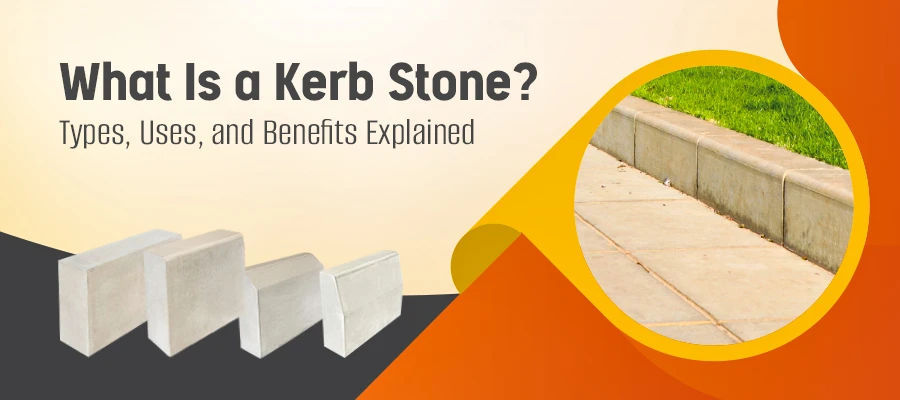
Kerb stones are precast concrete barriers installed along road edges, pathways, driveways, and parking areas. It creates a clear boundary between different surfaces. Roads stay separated from footpaths. Vehicle areas do not encroach on pedestrian zones. Garden beds remain distinct from paved surfaces.
Kerb stones in India are usually precast concrete units. Factories make them under controlled conditions, so every piece comes out the same size and strength. Sri Ganapathy Pavers produces these at their Tamil Nadu facility with consistent quality across batches.
The typical kerb stone comes in an L-shaped or rectangular profile. Part of it sits below ground for stability. The visible portion rises above the pavement, creating that familiar raised edge you see everywhere.
Types You Will Encounter
Mountable Kerbs
These have angled faces, usually around 45 degrees. Vehicles can drive over them without damaging tyres or suspension. Common in parking areas, driveways, and spots where cars occasionally need to cross over.
Barrier Kerbs
Vertical or near-vertical faces that stop vehicles cold. These go along highways, busy main roads, and anywhere you need strict separation between traffic and pedestrians. The steep face prevents vehicles from mounting them, providing real protection.
Radius Kerbs
Pre-curved units for corners and junctions. They create smooth turns rather than awkward angles. Road junctions use these for proper traffic flow. Landscaping projects use them for aesthetic curved edges around gardens and features.
Channel Kerbs
These have drainage grooves built into the top or back. Rainwater runs along these channels straight to drainage points instead of collecting on the road. Particularly useful in areas with heavy monsoons or poor drainage.
Where Kerb Stones Get Used
Roads and Highways
Every proper road needs kerbs. They prevent the pavement edges from crumbling and spreading. The road base material stays contained. On major roads, kerbs provide essential edge support for asphalt layers, extending road life by years.
Parking Facilities
Organised parking requires clear bay markings. Kerb stones create those divisions. They define individual spaces, mark driving lanes, and protect planted islands within the parking area. Without them, parking lots become chaotic free-for-alls.
Footpaths and Walkways
Footpaths need proper separation from traffic. Kerb stones create that physical barrier. They also stop rainwater from flooding footpaths, directing it to drainage instead.
Gardens and Landscapes
Property boundaries, garden beds, tree surrounds, lawn edges. Kerb stones create clean separation. Grass does not creep onto paved areas. Planting beds stay defined. The overall appearance stays neat and maintained.
Water Management
Rainwater has to flow somewhere. Kerbs installed in the right place help to direct rainwater towards drains and away from foundations. This prevents water-logging, saves foundations from damage, and prevents pavement failure during monsoons.
Why Kerb Stones Matter
They Last
Good precast concrete kerbs handle heavy vehicles, extreme weather, and constant use. Install them right and they run for decades with minimal maintenance.
Safety Improves
Clear boundaries between vehicles and pedestrians prevent accidents. Nighttime visibility improves with reflective paint or markers. Barrier kerbs physically stop vehicles from leaving roadways.
Costs Stay Manageable
Yes, installation has upfront costs. But kerbs last so long and need so little maintenance that they pay for themselves. Precast units install quickly too, reducing labour expenses compared to pouring concrete on site.
Appearance Matters
Well-installed kerbs make properties look professional and cared for. Residential layouts, commercial developments, public spaces all benefit. Manufacturers offer various finishes and colours for design flexibility.
Structural Protection
Pavement edges take constant abuse. Kerbs absorb that impact, preventing chipping and crumbling. They contain base materials, stopping lateral movement that causes premature road failure.
Getting Installation Right
Installation quality makes all the difference. Get it wrong and kerbs fail early. Get it right and they last decades.
The base must be properly compacted and level. Kerbs need solid support underneath, typically a concrete bed. Joints between stones have to align and be filled correctly, otherwise water seeps in and causes problems.
Working with experienced manufacturers matters here. Sri Ganapathy Pavers makes kerb stones for housing layouts, commercial buildings, and road projects across Tamil Nadu. Every batch meets the required specifications for size, strength, and durability.
Planning a residential development, commercial complex, or road work? Specify the right kerb type for your needs. Make sure installation is done properly. You end up with outdoor spaces that function well and look professional for years.
Get the best quote from us